HYD Meaning in Text Simple Meaning With Examples
HYD stands for “How you doing?” in casual texts and chats. It asks how you are feeling or how things are going. For example, “Hey, hyd?” can be answered with “I’m good, thanks. How about you?”
People use HYD in texting, Snapchat, Instagram messages, WhatsApp chats, and other casual online conversations. It is one of those short forms people use when they want to type quickly but still sound relaxed and conversational.
HYD asks how you are doing. Another casual opener, WYO, can ask what you are up to or what your plans are.
In most cases, HYD is used as a check-in. It can start a conversation, keep a chat going, or show casual interest in how someone is doing.
Table of Contents
What Does HYD Mean in Text
HYD usually means “how you doing?” In plain English, it is another way of asking:
- how are you
- how are you doing
- what’s going on with you
For example:
- Hey, HYD?
- HYD today?
- Haven’t talked in a while, hyd?
HYD uses the first letters of “how,” “you,” and “doing.” The complete standard-English question is “How are you doing?” The omitted “are” reflects the casual wording of the abbreviation.
How HYD Is Used in Text Conversations
HYD is used as a casual way to check in with someone. It often appears at the beginning of a conversation, especially when someone wants to sound relaxed and informal.
People usually use HYD when they want to:
- ask how someone is feeling
- restart a conversation
- check in after some time
- keep a chat friendly and light
Examples:
- Hey, hyd?
- HYD this morning?
- It’s been a while, hyd?
- Just checking in, hyd?
In each example, HYD works like a short version of “how you doing?” The meaning is usually friendly and conversational rather than serious or formal.
The abbreviation is simple, but it helps make texting quicker and more casual.
Examples of HYD in Text Messages
Looking at real examples makes the meaning of HYD much easier to understand. In most cases, it is used as a short and casual way to ask someone how they are doing.
Here are some common examples:
- Hey, HYD?
- HYD today?
- It’s been a while, hyd.
- Just wanted to ask, hyd?
- HYD after the exam?
- Haven’t heard from you, hyd?
- HYD this evening?
- Hey, hyd lately?
Now let’s break down a few of them:
- Hey, HYD?
Meaning: Hey, how are you doing? - It’s been a while, hyd.
Meaning: It has been a while, how are you doing? - HYD after the exam?
Meaning: How are you doing after the exam?
When to Use HYD and When Not to Use It
HYD is best used in casual conversations with friends, family, classmates, or people you already know well. It works naturally in texting because it sounds quick, relaxed, and friendly.
When to Use HYD
You can use HYD when:
- you want to check in with someone
- you are starting a casual conversation
- you want to ask how someone is feeling
- you are texting in an informal setting
Examples:
- Hey, hyd?
- HYD today?
- Just checking in, hyd?
In these situations, HYD feels natural and easygoing.
When Not to Use HYD
You should avoid HYD in formal or professional communication. Since it is texting slang, it can look too casual in messages where standard English is expected.
Avoid using it in:
- work emails
- professional chats
- academic writing
- formal messages to teachers or clients
For example, instead of writing:
- HYD today?
In a professional setting, it is better to say:
- How are you today?
- How are you doing today?
So if someone asks what does hyd mean, the answer is not only about definition. It is also about tone. HYD is fine for casual texting, but it is not a good fit for formal communication.
Is HYD Friendly or Flirty?
HYD can be a friendly greeting, a caring check-in, or part of a flirtatious conversation. It has no automatic romantic meaning. The same question can be sent by a friend, a family member, or someone interested in getting to know you.
Whether it comes from a guy or a girl, the usual meaning stays “How you doing?” Look at the relationship and surrounding messages rather than using the abbreviation alone to judge the sender’s intentions.
For example:
- Hey, hyd?
Meaning: Hey, how are you doing? - HYD lately?
Meaning: How have you been doing lately? - Just wanted to ask, hyd?
Meaning: I wanted to check in and ask how you are doing.
These examples keep the same core meaning. The extra words explain why the person is checking in or which period of time they are asking about.
Lowercase “hyd” and uppercase “HYD” normally mean the same thing in a greeting. If the letters appear in a technical document or as a code rather than a chat question, ask what they mean in that context.
How to Reply to HYD in Text
The best reply to HYD depends on how you are feeling and how casual you want to sound. Since HYD usually means “how you doing?” the response can be short, friendly, and natural.
Here are some simple replies:
- I’m good, how about you?
- Doing well, thanks.
- Not bad, just busy.
- I’m okay, what about you?
- Pretty good today.
- Just relaxing right now.
- I’ve been alright lately.
If you want to keep the conversation going, you can answer and ask back:
- I’m doing good, how about you?
- Pretty busy today, you?
- I’m fine, just tired. How are you?
- Doing well. What’s up with you?
For example:
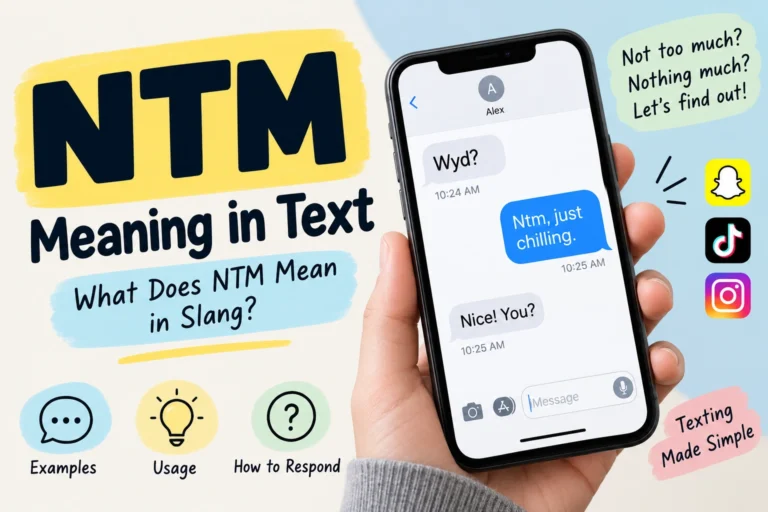
Person 1: Hey, hyd?
Person 2: I’m good, how about you?
Person 1: HYD lately?
Person 2: Pretty good, just busy with work.
You can match your reply to the situation: “Good, you?” for a brief greeting, “A little tired after work. How are you?” to continue chatting, or “It’s been a rough day” for an honest check-in. Share only what you are comfortable sharing.
Similar Slang Terms Related to HYD
If you understand HYD, it becomes easier to recognize other short texting phrases that people use to check in or start a casual conversation. These abbreviations often appear in the same kinds of chats and carry a similar friendly tone.
Here are a few similar terms:
HRU
HRU means “how are you?” It is one of the most common short forms used in texting.
Example: Hey, hru?
WYD
HYD vs. WYD: HYD asks how you are doing; WYD asks what you are doing. “I’m feeling better” answers HYD, while “I’m watching a movie” answers WYD.
Example: Hey, hyd? What are you doing later?
WSP
WSP usually means “what’s up?” It works as a casual greeting or conversation starter.
Example: Hey, wsp?
HBU
HBU means “how about you?” It is often used after answering a question like HYD.
Example: I’m doing well, hbu?
SUP
SUP is a casual short form of “what’s up?” It has a relaxed and friendly tone.
Example: Sup, hyd?
Like HYD, these terms are mostly used in casual texts, social apps, and online chat. They help make conversations feel quicker and more natural, but they are usually not suitable for formal writing.
Common Mistakes People Make With HYD
HYD is easy to understand once you know it means “how you doing?” but people still make a few common mistakes with it. Most of the confusion comes from tone and setting.
Using It in Formal Communication
HYD is texting slang, so it does not fit work emails, professional chats, academic writing, or formal messages. In those situations, it is better to write the full question.
Thinking It Means Something Complicated
In most conversations, HYD is simple. It usually just means “how you doing?” People sometimes overthink abbreviations, but this one is usually straightforward.
Misreading the Tone
HYD is normally friendly, but tone still depends on context. A message like “Hey, hyd?” sounds warm, while a very short message can sometimes feel dry if the rest of the conversation is cold.
Confusing It With Similar Abbreviations
HYD can be mixed up with HRU, WYD, or other texting shortcuts. They are related, but they do not mean exactly the same thing.
Using It With People Who May Not Understand Slang
Not everyone is familiar with chat abbreviations. If the other person does not use texting slang often, writing “How are you doing?” may be clearer.
Quick Summary of HYD Meaning
Here is a simple summary to make the meaning easy to remember.
| Term | Meaning | Common Use |
|---|---|---|
| HYD | How you doing? | Casual check-in or greeting |
| Hey, hyd? | Hey, how are you doing? | Starting a text conversation |
| HYD today? | How are you doing today? | Asking about someone’s current mood |
| HYD lately? | How have you been doing lately? | Checking in after some time |
Final Thoughts
HYD is a simple texting abbreviation, but it can still confuse people who are not used to online shorthand. In most cases, it means “how you doing?” and is used as a friendly way to check in with someone.
Once you understand the context, it becomes easy to recognize and use. It works best in casual conversations and is not a good choice for formal writing. Keeping that in mind will help you reply naturally and understand the phrase more easily.