
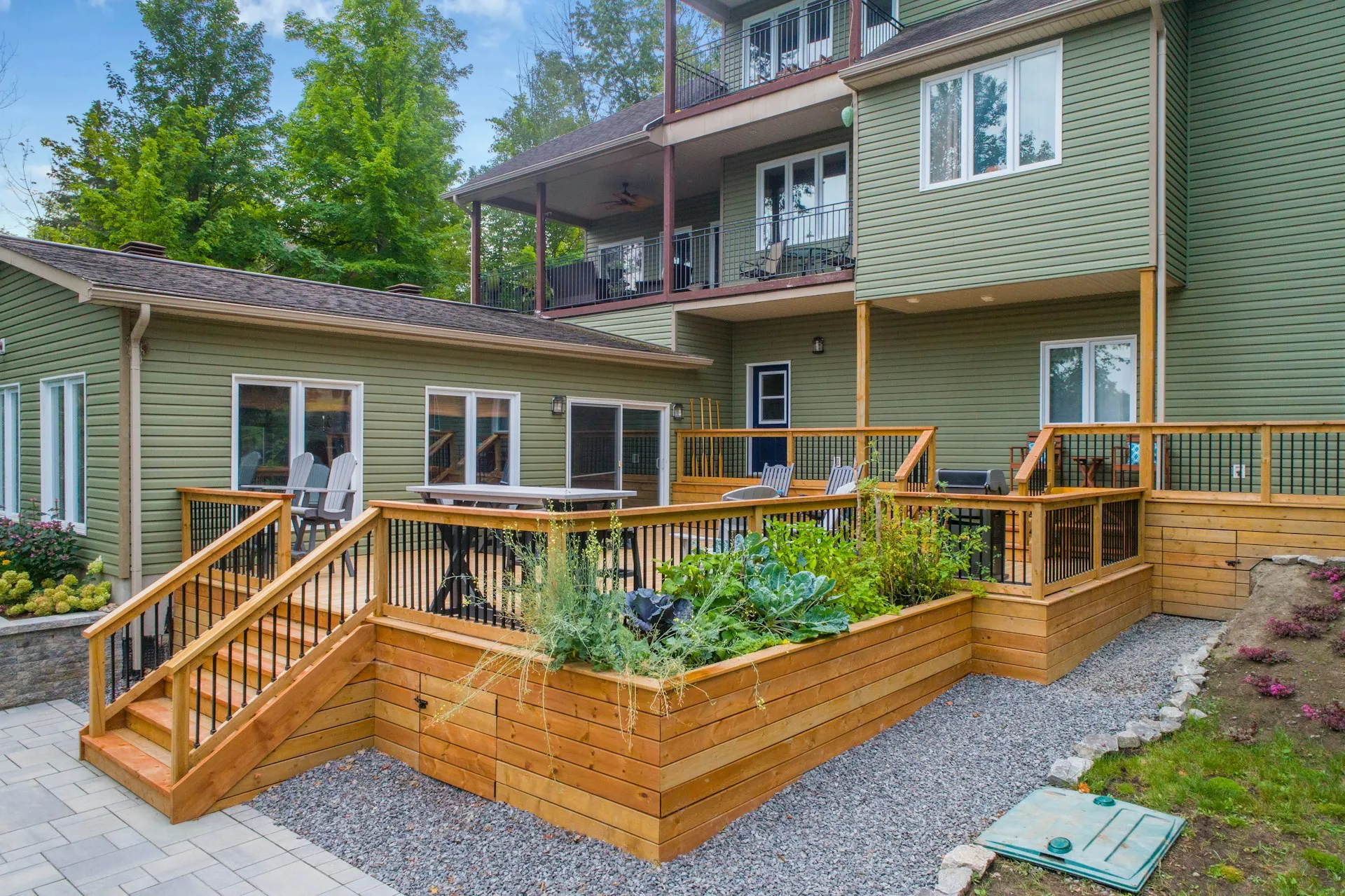
Your deck provides outdoor space for meals, gatherings, and everyday activities. Exposure to rain, sunlight, and changing temperatures gradually affects its materials and can cause damage. Damaged boards or unstable railings also change how safely people use the structure. Here are a few signs that indicate when a deck repair is beneficial:
Identify Damaged Deck Boards
Deck boards are directly exposed to weather and regular foot traffic. Over time, moisture contributes to wood deterioration, while repeated use leaves some boards cracked or splintered. A board that feels soft underfoot also deserves attention, as deterioration may extend beyond its visible surface. Replacing affected boards restores the walking surface and helps prevent damage from spreading into adjoining sections. It also makes sure the deck is safe.
Not every weathered deck requires complete resurfacing. When damage affects individual boards, targeted replacement addresses only the affected sections. Power washing and staining or sealing also address suitable surfaces as part of deck restoration. The appropriate repair depends on the condition of the existing boards.
Stabilize Loose Railings
Deck railings provide support along elevated edges, so loose connections deserve prompt attention. Movement when someone holds or leans on a railing suggests its attachments need inspection. Rusted hardware also weakens connections, particularly where fasteners hold railing sections against posts. Repairing loose attachments or replacing damaged railing sections restores stability.
The condition of the surrounding posts also influences railing strength. A replacement handrail attached to deteriorated wood does not address the underlying problem. During deck repair, examining the attachment points helps identify whether the railing or supporting structure requires attention. Loose railing repairs typically involve:
- Tightening or replacing loose fasteners.
- Securing railing connections to supporting posts.
- Replacing damaged handrail sections.
- Repairing deteriorated posts where necessary.
Also read: How Responsible Debris Handling Supports Cleaner Renovation and Construction Work
Address Unstable Deck Stairs
Deck stairways experience repeated stress as people move between the yard and elevated outdoor spaces. Steps that move around while being walked on indicate that they are unstable where they stand or where they are attached. This may also be accompanied by loose handrails or sagging or cracked treads. Attention should be given to each sign before it affects other parts of the staircase.
Damaged or cracked stair treads can create uneven walking surfaces and make the stairs difficult to use safely. To address these issues, the damaged boards should be replaced, and loose connections beneath the stairs should be secured. Handrails should be checked too, especially if pressure is applied to the movement. A safe staircase is not determined by the exterior appearance of its surfaces.
In other cases, it’s a matter of steps taken as a whole. The weight of the staircase is determined by supporting framing and connections. To choose the right deck repair, it is important to inspect the whole staircase to determine whether the damage is to individual boards or the underlying structure.
Reinforce Weakened Framing
A deck that bounces, dips, or sags under normal foot traffic deserves a closer inspection. Joists support the decking above, and prolonged moisture exposure gradually weakens these structural members. Rot around posts or their bases also points to deterioration beneath the walking surface. Visible movement may indicate a problem that surface repairs alone will not address.
Repairing weakened framing involves identifying the affected support components. Depending on their condition, damaged joists or posts require reinforcement or replacement. Where several connections have deteriorated, the repair also addresses how the supporting sections connect. Examining the full structure helps determine the appropriate scope of work.
Arrange Professional Deck Repair
Before deciding on restoration, assess the extent of visible damage. The repair options for a deck with localized surface damage differ from those for a deck with structural damage. Talk to a professional deck repair company for an inspection and an explanation of the damaged area, and book an assessment to find the most appropriate repair methods.
[…] Also Read : Signs Your Deck Needs Repair and How to Address Them […]